Infrastructure Asset Management: A Strategic Approach Toward Sustainability
Fee: $2,345 / Online / Nov 23 - 25, 2026 / Course Code: 17-1112-ONL26
OVERVIEW
Please note, This instructor-led course has specific dates and times:
This course is held online over 3 days on the following schedule (All times in Eastern Time Zone): 10:00 am to 5:30 pm Eastern (Will include a 30-minute lunch each day)
After participating in this course, you will be able to:
- Clearly describe the fundamental principles of asset management.
- Effectively answer the six essential questions concerning your assets.
- Skillfully apply various tools and techniques to enhance your asset management program.
- Develop a tailored asset management implementation plan suitable for your organization.
- Establish improved guidelines for policy making and implement best practices in asset management principles and concepts.
Description
Infrastructure asset management (IAM) is a strategic approach to managing physical public infrastructure, focusing on maintaining and enhancing the value of assets over their lifecycle. It involves a systematic process to ensure infrastructure assets are used efficiently and sustainably. Effective asset management addresses critical issues such as infrastructure deterioration and the increasing demand for services, ensuring that public infrastructure remains reliable, efficient, and sustainable.
This course is vital for professionals involved in public infrastructure management as it equips them with the knowledge and tools to make informed decisions about asset maintenance, investment, and policy development. By mastering these skills, you can help your organization achieve greater operational efficiency and cost-effectiveness. By understanding and applying the principles of asset management, participants can significantly improve the performance and longevity of their infrastructure assets.
In this course, you'll learn the fundamental principles of asset management and address six key asset-related questions. You'll explore sustainable implementation approaches aligned with international standards like the IIMM, NRC research modules, and ISO 55000. Additionally, you will gain practical insights into global best practices to optimize asset performance.
Who Should Attend
This course is ideal for Supervisors and Managers, Operations and Maintenance Engineers, Project Engineers, Investment Officers and Coordinators, and Technicians and Technologists. Additionally, it is beneficial for Facility Managers, Urban Planners, Government Officials in Infrastructure Planning and Development, Financial Analysts in Public Infrastructure, Environmental Engineers, and Consultants in Asset Management. Risk Management Officers, Utility Managers, Construction Managers, and Civil Engineers will also find this course highly valuable.
Whether you're a seasoned professional or new to the field, this course provides valuable insights and practical skills to enhance your asset management practices. Join us to stay ahead in the industry and drive your organization's infrastructure management to new heights.
SYLLABUS
Welcome, Introduction, Course Preview, Learning Outcomes and the Assessment Methods
Infrastructure Asset Management and Sustainability - An Overview
- What is asset management?
- Industry standards and other initiatives
- Development of an asset management plan
- Sustainability and asset management
Asset Management Evolution - Province of Ontario
- Infrastructure for Jobs and Prosperity Act
- New asset management regulations
Asset Information and Data Requirements
- Asset inventory
- Asset classification systems
- Asset data formats
- Data gap analysis
Asset Management Body of Knowledge (AMBOK)
- Concepts and ideas
- Knowledge modules and application guidelines
- How knowledge modules work together?
- Outline of an asset management plan
- Best practice asset management plan
Quiz/Group Discussion - Specialty Topic Selection
Evaluate Asset Condition
- Why asset condition is important?
- Asset deterioration and defect diagnosis
- Condition rating systems
- Service life of assets
- Asset performance evaluation
Day II
Levels of Services (LOS)
- Define LOS?
- How to determine LOS?
- Key Performance Indicators (KPI)
- Benchmarking of assets
Risk Analysis
- Identify the service or asset at risk
- Risk assessment and modelling
- Asset risk management
- Develop a risk action plan
Infrastructure Economics
- Infrastructure backlog and funding mechanisms
- Resource planning, financing and funding options
- Social costs and considerations
- Life cycle costing (LCC)
- Asset valuation
- Asset valuation models: roads/pavements, bridges/culverts, water/wastewater and other asset-specific
- Reporting example: PSAB
Asset Management Optimization
- Owner’s vs user’s perspective: a multi-objective optimization approach
- Asset optimization parameters
- Infrastructure security
- Infrastructure vulnerability and resilience
Summary and Discussion
Day III
Setting Strategic direction for Asset Management
- Define the scope of an asset management program
- Asset management policy development
- Governance
- Asset management leadership and teams
How to Choose Your Asset Management System?
- State-of-art practice tools and techniques
- Standalone systems and integrated systems
- System evaluation, comparative statements, features and benefits
Action Plans and Decision Making
- The logic behind failure: options and actions
- Asset prioritization in the decision-making process
- Decision model and analysis
- Action planning
Asset Management Business Plan
- Review reporting tools (GASB, PSAB, PAS 55 etc.)
- Development of an asset management business plan
- Revisit asset management plan and implementation strategy
- Checklist: What to consider? And what not?
Discussion Forum
- Questions and answers feedback to participants on achievement of learning outcomes
Concluding Remarks and Final Adjournment
INSTRUCTOR
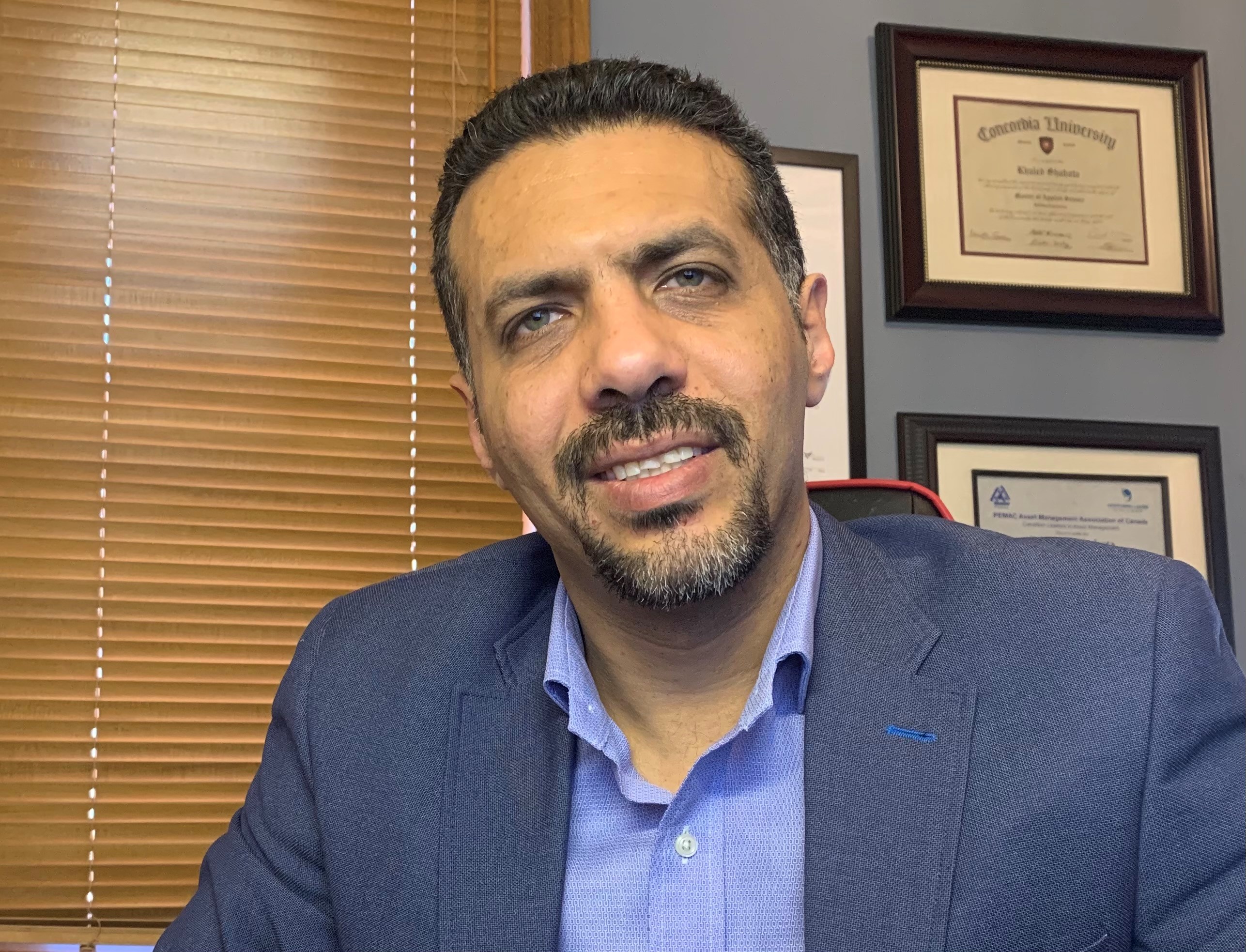
Project Manager, Asset Management
Khaled is an infrastructure asset management and engineering professional with more than 20 years of experience spanning consulting, municipal government, regional infrastructure programming, and provincial transportation. His work focuses on helping organizations make better decisions about how infrastructure is planned, funded, maintained, and renewed.
Khaled currently serves as a Lead Engineer, Asset Management with the Ontario Ministry of Transportation, supporting enterprise asset management, investment planning, rehabilitation prioritization, and strategic infrastructure decision-making.
Previously, Khaled served as Program Manager, Asset Management and Infrastructure Programming – Transportation with the Region of Peel, where he led strategic infrastructure planning initiatives and coordinated multidisciplinary teams responsible for capital programs, performance measures, investment strategies, and implementation plans. Working closely with engineering, operations, finance, and executive leadership, he supported evidence-based investment decisions and resource optimization across a diverse transportation infrastructure portfolio..
Prior to that, Khaled led the Corporate Asset Management Division at the City of London, overseeing asset management across a diverse municipal portfolio, including transportation, water, wastewater, stormwater, facilities, parks and recreation, fleet, waste management, and information technology. His work included asset management strategy, lifecycle planning, infrastructure risk, service levels, funding strategies, capital investment planning, and decision-support tools.
Alongside his professional practice, Khaled is involved in university and professional education, teaching and developing courses for universities, municipalities, government agencies, infrastructure organizations, and First Nations communities across Canada. He is passionate about connecting asset management theory with the practical challenges practitioners face in infrastructure planning, investment, risk, performance, and decision-making.
Khaled holds a PhD and M.A.Sc. in Construction Management from Concordia University, a Diploma in Public Administration from Western University, and a B.Sc. in Civil Engineering from Cairo University. He is a Professional Engineer and a Certified Asset Management Professional.
Khaled is Chair of Asset Management Ontario (AMONTario), supporting collaboration and the advancement of asset management practice across Ontario. He previously served as Regional Director – Ontario with the Canadian Network of Asset Managers (CNAM) and has contributed to national conferences, professional development, and industry initiatives.
We always want to improve the quality of our courses. Please select any reasons why you feel this course is inadequate (check all that apply).
Thanks for the feedback.
Your input helps us improve EPIC's training programs.
We couldn't record that feedback.
This course's ID doesn't match anything in our records. Please refresh the page and try again, or contact registrations@epictraining.ca.