Traffic Calming: Designing for Safer Roads and Livable Places
Fee: $695 / Online / Nov 4 - 6, 2026 / Course Code: 17-1123-ONL26
OVERVIEW
Please note, This instructor-led course has specific dates and times:
This course is held online over 3 days on the following schedule (All times in Eastern Time Zone): 10 am to 12:45 pm Eastern Time (Will include a 15-minute break)
After participating in this course, you will be able to:
- Provide an overview of holistic neighbourhood traffic planning and design, highlighting challenges, effectiveness, and success strategies
- Explain the most common principles and planning processes involved in implementing traffic calming measures
- Explore various design techniques and application processes for effective traffic-calming
- Analyze different tools and redesign components used in traffic planning, with a focus on program deployment and implementation
- Engage participants with in-class case studies and applications, including completing area plans and designing solutions for their local neighbourhoods
Description
Traffic calming techniques use physical design and other measures to reduce the vehicle's negative impacts, such as reducing excessive traffic speed and cut-through volume, altering driver behaviour and improving overall safety benefits for non-motorists like pedestrians, micro-mobility users and cyclists on residential streets and community paces. This course covers methods and best traffic calming practices used by professional planners, engineers, and consultants/researchers. A key objective of this course is to help you become better at planning and designing traffic calming measures using industry standards and guidelines.
The intended audience is anyone responsible for receiving complaints or inquiries about speeding and cut-through traffic issues and developing plans for municipal projects as a consultant and practitioner. This includes engineers, public works superintendents, municipal managers, planners, etc. Law enforcement and elected officials may also benefit from this course.
Who Should Attend
Planners • Municipal Engineers • Law enforcement • Community leaders, decision-makers and politicians • Supervisors • Managers • Construction Managers • Educators • Students
SYLLABUS
The course is broadly divided into three parts:
Part 1: This course introduces how a municipality, consultants and practitioners can establish a traffic calming program for roadways to increase safety and accessibility. The course starts with defining traffic calming and the fundamentals of various concepts and approaches. It will describe traffic calming purposes and their relationship to other transportation initiatives (like complete streets and context-sensitive solutions). Effects of application, potential challenges and benefits for all types of street users, including truck-dependent, emergency services and other critical services affected by the traffic calming measures
Part 2: This section of the course focuses on developing a traffic calming program, strategies and steps for planning, design, application, implementation, and effectiveness of the various types of traffic calming devices. This part will discuss considerations for their appropriate application, including effects and, design and installation specifics. Research on the impact of traffic calming measures on mobility and safety for passenger vehicles, emergency response, public transit, waste collection vehicles, pedestrians and bicyclists will be provided to understand the broader effectiveness of traffic calming measures.
Part 3: This section will focus on the practical application of case studies of traffic calming measures in areas or neighbourhoods selected by participants. The class could be divided into two or three groups. Illustrations and photographs of different types of traffic calming measures will assist in thinking about applying tools to their selected areas. Examples and case studies of comprehensive traffic calming programs and neighbourhood-specific traffic calming plans will assist in performing the class exercise. Participants will subsequently complete applying tools and potential design components and complete case studies.
Day 1: Introduction and Fundamentals
- Introduction, the definition of traffic calming and difference/similarity with a road diet, complete street,
- Fundamental of traffic calming concepts, policy issues and initial challenges,
- Introduction to traffic calming toolbox, essential components, overall principles,
- Effects of traffic calming on reducing negative impacts on vehicle users,
- Effects of traffic calming on reducing negative impacts on vehicle passengers,
- Effects of traffic calming on reducing negative impacts on non-automobile street users,
- Health, safety, energy and environmental benefits of traffic calming,
- Introduction to engineering guidelines such as ITE, FHWA, NACTO, and best city policies
Day 2: Developing Program, Planning and Design of Traffic Calming
- Planning Traffic calming: Developing municipal programs, policies, action plans, implementation
- Developing effective traffic strategies using proper data collection, measurement, analysis techniques,
- Identifying common measures, warrant development, applicable locations of horizontal, vertical and surface treatment of traffic calming,
- Understanding street design and traffic engineering tools of traffic calming,
- Details of design elements: Diagonal parking, changing one-way to two-way streets, widening sidewalk, narrowing lanes for streets, bulbs/chokers/neckdowns, chicanes, roundabouts, traffic circles, raised medians, tight corner radius, diverters, street humps/speed tables/cushions, rumble strips and other horizontal treatments
- Evaluation of traffic calming measures, cost-effectiveness, and funding sources.
Day 3: Design Examples, Illustration and Traffic Calming Exercise
- Selection of case study locations for each group(s),
- Class case study exercise for traffic calming cases, application method for selected areas
- Identify locations or streets using data, traffic tools, analysis techniques,
- Identify suitable types, design components, cost of projects, implementation process and steps
- Off-site class exercise for neighbourhood traffic calming project planning and design
INSTRUCTOR
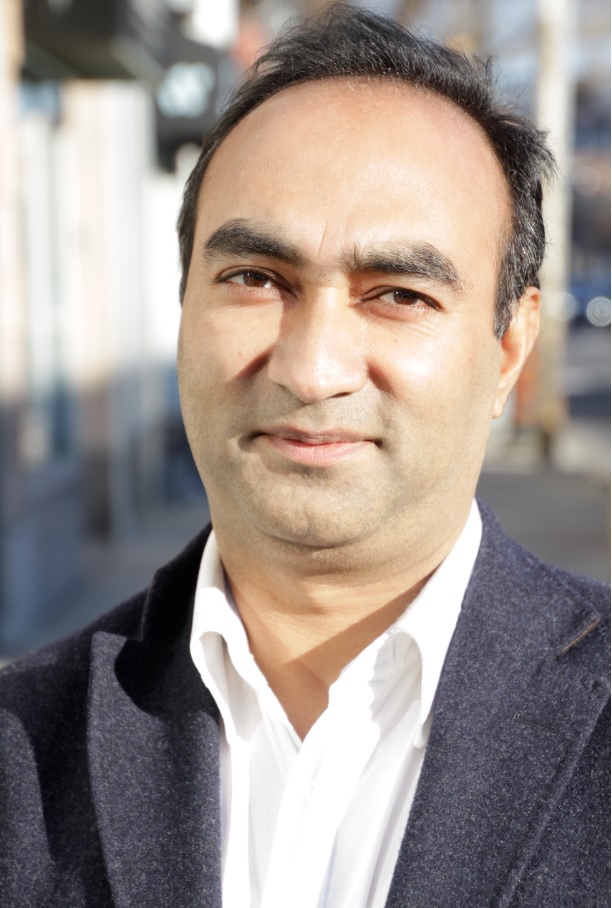
Practice Lead, Transportation — MA & Dk Creative Canvas
Pickering , ON
Educated at the University of Tokyo, Japan, and TMU, Toronto, Dewan Karim is a Sector Lead in Multimodal Mobility & Safety with LEA Consulting Ltd. He brings over 27 years of experience in the public and private sectors in Japan and Canada, where he has pioneered several innovative concepts in multimodal mobility planning, engineering and safety. His groundbreaking contributions, such as the discovery of “Mobility DNA” and “Urban Life Code,” multimodal transit planning and station design, multimodal eco-mobility hubs, reclaiming unused traffic spaces using the “invisible space” concept, mobility placemaking using the “mobility parks” concept, and processes for downscaling mobility facilities, have become globally recognized practices and tools for transportation professionals. His findings on narrower lanes and road safety are now incorporated into geometric design guidelines worldwide. Dewan is considered a visionary in transit and traffic safety, having developed a vision zero concept and a practical framework of vision zero plans, developed vision zero plans for several Canadian municipalities, and advanced street design strategies that prioritize safety for all users.
He is a registered Professional Engineer in Ontario, British Columbia, Nova Scotia, and Alberta, and is certified as a Professional Traffic Operations Engineer.
Dewan’s expertise is widely recognized on global platforms. He has managed and presented transportation knowledge to international German delegations, collaborated with politicians to implement innovative and creative solutions, and, as a sought-after keynote speaker and professional trainer/educator, has delivered professional courses and presentations at ITE Canada and the British Columbia professional engineering institution, as well as speeches and presentations at international conferences, universities, and workshops worldwide. His creative concepts and innovative applications were recognized by the MIT Media Lab Conference with the “Best Planning System” award in 2015 and by the 2015 ITE Project of the Year Award. His literary contributions include a chapter in Disrupting Mobility and a sole-authored two-volume book series, Shifting Mobility, published by Taylor & Francis in 2023–24.
We always want to improve the quality of our courses. Please select any reasons why you feel this course is inadequate (check all that apply).
Thanks for the feedback.
Your input helps us improve EPIC's training programs.
We couldn't record that feedback.
This course's ID doesn't match anything in our records. Please refresh the page and try again, or contact registrations@epictraining.ca.