Web Series: Foundation Engineering: From Site Investigation to Design
Fee: $785 / Online / Oct 12 - 15, 2027 / Course Code: 1003-WEB27
OVERVIEW
PART 1 - Site Investigation for Geotechnical Design
By the end of this course, you will be able to:
- Perform site investigation for a typical project
- Interpret the field test results and estimate soil parameters
- Determine the proper laboratory tests required for your project
Description
Site investigation is generally conducted before the start of any construction project to gather crucial information that will influence the design, construction, and environmental assessment of a proposed project. Site investigation could be carried out using surface site exploration methods (non-intrusive techniques) and subsurface drilling surveys (intrusive methods). This webinar presents various site exploration techniques used in a typical site investigation process, including geophysical measurements, geotechnical drilling, sampling and field tests.
An overview of selecting proper lab tests for specific site conditions and geotechnical reporting will also be discussed.
PART 2 - Bearing Capacity and Settlement of Shallow Foundations
By the end of this course, you will be able to:
- Determine the bearing capacity of different soils
- Understand the factors controlling bearing capacity and settlement
- Understand other factors of safety in shallow foundation design
- Estimate the settlement of the shallow foundation
Description
The allowable bearing capacity in foundation design considers both failure and settlement of the foundation and provides the maximum pressure the soil can support before failure or excessive settlement. Professionals responsible for designing and constructing both spread and mat foundation systems need a working understanding of basic concepts to gain confidence in dealing with shallow foundations design and construction.
This lecture presents the basic concepts required to design shallow foundation systems and explains how to design and construct a safe and sustainable foundation system.
PART 3 - Bearing Capacity and Settlement of Pile Foundations (Axial loads)
By the end of this course, you will be able to:
- Determine the bearing capacity of different piles
- Choose a proper pile system for a specific site
- Estimate the settlement of pile foundations
- Determine the pile capacity from pile load tests
Description
Pile foundations are generally used when the upper soil stratum is weak and there is a need to transfer the structural loads to deeper and more competent strata. The load-carrying capacity of pile foundations is provided by the toe-bearing capacity and the pile shaft capacity through the interface pile-soil resistance.
This lecture aims to present basic concepts required for the design of pile foundations in different site conditions. Bearing capacity analysis of both single pile and pile groups will be discussed for various types of piles in different soil and rock strata. The pile settlement analysis will also be presented for both single piles and pile groups.
PART 4 - Laterally Loaded Piles - Lateral Load Capacity and Deflection
By the end of this course, you will be able to:
- Estimate the lateral capacity and deflection of piles
- Choose the proper improvement technique to enhance the lateral capacity of piles
- Analyze pile-load test results
Description
Pile foundations are sometimes used to withstand lateral forces and moments experienced in offshore structures and high-rise buildings. The pile foundations' lateral load capacity and deflection will govern the pile's performance in this scenario. The lateral performance of the piles depends on the pile characteristics (length, diameter, stiffness) and the surrounding soil properties.
This lecture focuses on the analysis of pile behaviour under lateral loads. The lateral load-carrying capacity estimation will be presented for both short and long piles in cohesive and cohesion-less soils. The lateral pile deflection will also be estimated for single piles and pile groups.
Who This Course Is For
This course is designed for:
Those who deal with construction-related geotechnical engineering issues or need to build background on geotechnical analyses & design, including:
- Civil, Environmental & Transportation Engineers/Technicians
- Geologists, city & public works officials/planners
SYLLABUS
Day 1:
Foundations and Principles:
- Introduction to Web Series
- Industry Codes, Standards, and Regulatory Framework
- Core Principles of Web Series
- Common Materials, Components, and Terminology
- Field Inspection and Documentation Practices
- Case Studies from Recent Canadian Projects
Day 2:
Design and Implementation:
- Web Series: Design Considerations
- Analysis Techniques and Calculation Workflows
- Sizing, Selection, and Specification
- Integration with Existing Systems
- Hands-On Design Exercise
Day 3:
Operations, Maintenance, and Troubleshooting:
- Commissioning, Testing, and Acceptance Criteria
- Routine Inspection and Preventive Maintenance
- Common Failure Modes and Root-Cause Analysis
- Repair, Retrofit, and Rehabilitation Strategies
- Documentation and Compliance Reporting
Day 4:
Advanced Topics and Project Application:
- Emerging Technologies and Industry Trends
- Risk Assessment and Mitigation
- Cost Estimation and Project Planning
- Capstone: Applying Web Series to a Real Project
- Group Discussion, Q&A, and Wrap-Up
INSTRUCTOR
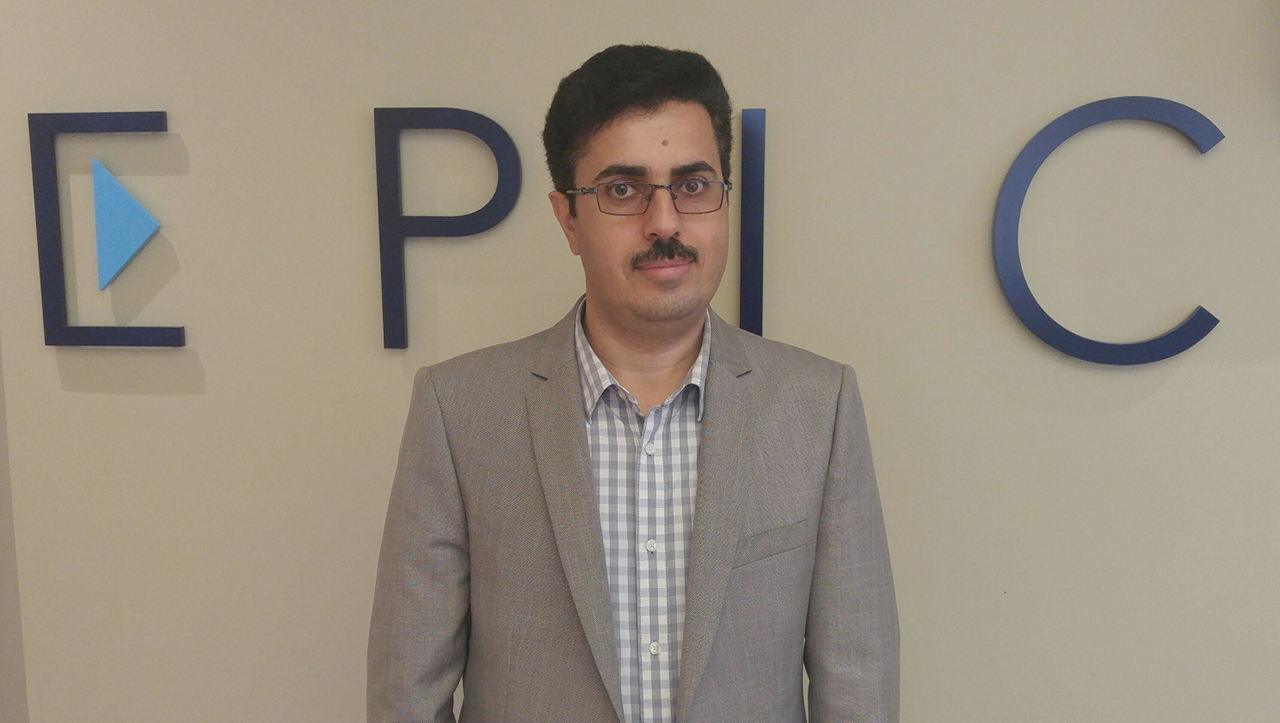
Professor — Carleton University, Dept of Civil & Env Eng
Ottawa, ON
Dr. M.T. Rayhani is a Professor of Geotechnical Engineering and the director of Geo-engineering Research Group at Carleton University. He has over a decade of experience in research, teaching and engineering consulting, and has collaborated extensively with industry leaders worldwide. He has received research grants from the Natural Science and Engineering Research Council of Canada, Canada Foundation for Innovation, Transport Canada, and other funding agencies.
Dr. Rayhani has presented short courses, seminars, and guest lectures on various topics related to frontier research in geotechnical and geoenvironmental engineering in Canada, the USA, France, Germany, Italy, India, Iran, and other countries. He holds a Ph.D. degree in Geotechnical Engineering from the University of Western Ontario and he is the author of over 50 publications in different areas of geo-engineering.
Dr. Rayhani is a Registered Professional Engineer in the Province of Ontario.
We always want to improve the quality of our courses. Please select any reasons why you feel this course is inadequate (check all that apply).
Thanks for the feedback.
Your input helps us improve EPIC's training programs.
We couldn't record that feedback.
This course's ID doesn't match anything in our records. Please refresh the page and try again, or contact registrations@epictraining.ca.