Environmental Bioremediation: Microbial Biodegradation Principles
Fee: $149 / Online / Mar 2, 2027 / Course Code: 0303-WEB27
OVERVIEW
After participating in this course, you will be able to:
- Understand the mechanisms of microbial biodegradation processes used in the removal of contaminants from soil and groundwater
- Develop a better understanding of the microbial and environmental factors controlling site bioremediation processes
- Identify the types of contaminants commonly found in soil and groundwater
- Learn about the kinetics of biodegradation
- Determine the type of biological processes needed for the removal of contaminants from soil and groundwater
Description
This webinar addresses the removal of contaminants from soil and groundwater by microbial processes, focusing on microbial metabolism and biodegradation mechanisms during aerobic and anaerobic biodegradation processes.
Factors controlling the effectiveness of site bioremediation, including the nature and concentration of contaminants, bioavailability and biodegradability of contaminants, type of microorganisms present at the site and environmental conditions, will be discussed.
Webinar Outline:
- Introduction to bioremediation
- Major contaminants of soil and groundwater
- Fundamental aspects of biodegradation: Cell metabolism
- Oxidative and reductive biodegradation processes
- Bioavailability and biodegradability of contaminants
- Microbial and environmental factors controlling bioremediation processes
- Microbial kinetics
Who Should Attend
This course is designed for:
- Environmental Engineers
- Geologists and hydrogeologists
- Project Managers
- Consulting Engineers
- Environmental Educators
- Environmental Risk Managers
- Environmental protection officers
- Lawyers
- Municipal Planners
SYLLABUS
Day 1:
Foundations and Principles:
- Introduction to Environmental Bioremediation
- Industry Codes, Standards, and Regulatory Framework
- Core Principles of Environmental Bioremediation
- Common Materials, Components, and Terminology
- Field Inspection and Documentation Practices
- Case Studies from Recent Canadian Projects
INSTRUCTOR
ing
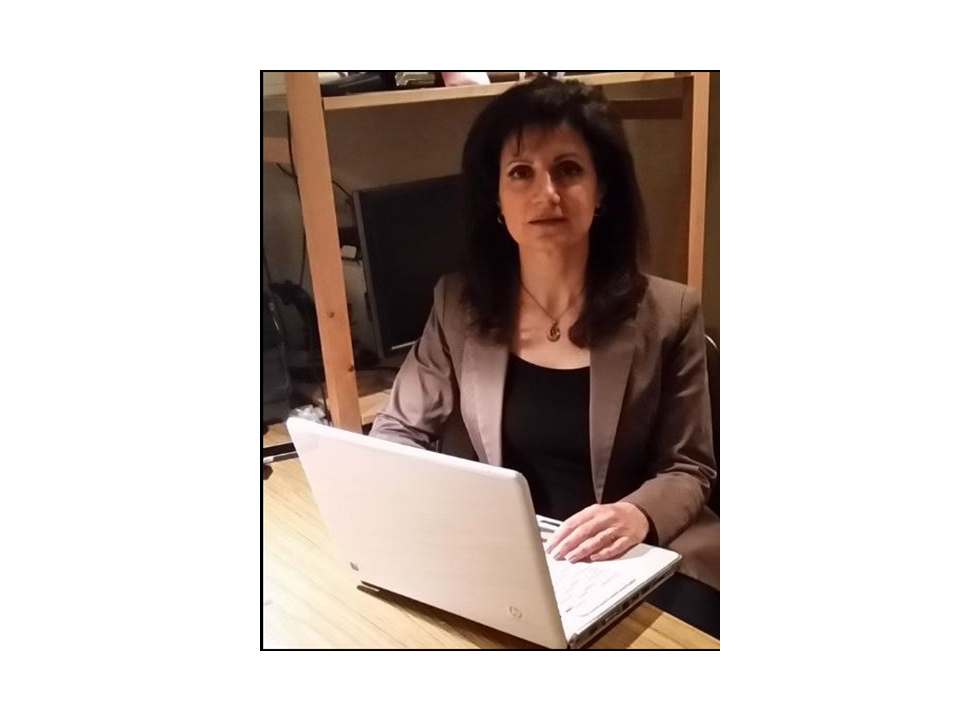
Laleh is the Chief Technology Officer of BioCAST Systems Inc. and Dagua Technologies Inc. in Montreal. She holds a Ph.D. in Chemical Engineering and specializes in Environmental and Biochemical Engineering.
Laleh is a professional engineer and member of l’Ordre des ingénieurs du Québec. She is the inventor of BioCAST technologies and is currently in charge of research and development at BioCAST Systems Inc. and Dagua Technologies Inc. Laleh has more than twenty years of experience in the design, development and optimization of chemical and biological processes for wastewater treatment and site bioremediation.
She was formerly the Director of Research and Development, in charge of operation management and performance optimization of a proprietary wastewater treatment technology at Atara Corporation in Montreal. She has also been a Research Analyst at Statistics Canada, involved in environmental modelling, designing and developing methodologies for estimating environmental emissions. She was formerly a Research Officer at the National Research Council of Canada, responsible for designing and developing groundwater treatment technologies. Laleh teaches and supervises graduate research theses at McGill and Concordia Universities.
She has presented the results of her research at numerous conferences and has published more than a hundred articles in scientific journals.
We always want to improve the quality of our courses. Please select any reasons why you feel this course is inadequate (check all that apply).
Thanks for the feedback.
Your input helps us improve EPIC's training programs.
We couldn't record that feedback.
This course's ID doesn't match anything in our records. Please refresh the page and try again, or contact registrations@epictraining.ca.