Environmental Site Assessment and Remediation
Fee: $1,825 / Online / Feb 2 - 3, 2027 / Course Code: 17-0230-ONL27
OVERVIEW
Please note, This instructor-led course has specific dates and times:
This course is held online over 2 days on the following schedule (All times in Eastern Time Zone): 9:30 am to 5:30 pm Eastern (Will include the usual breaks)
By the end of this course, you will be able to:
- Apply environmental site assessment and remediation frameworks within applicable regulatory requirements
- Develop soil and groundwater investigation, sampling, and analysis strategies to characterize site conditions
- Build and use conceptual site models to evaluate contaminant sources, exposure pathways, and receptors
- Assess environmental and human health risks to support remediation and risk management decisions
- Evaluate remediation technologies and select appropriate approaches based on site-specific conditions
Description
Redeveloping contaminated or potentially contaminated properties requires more than identifying environmental impacts. Decisions related to site investigation, risk assessment, remediation, and regulatory compliance can significantly affect project schedules, costs, liabilities, and long-term environmental outcomes. Managing these challenges requires a structured understanding of how contaminants behave in soil and groundwater, how risks are evaluated, and how remediation strategies are developed and implemented.
This course provides a practical framework for conducting environmental site assessments and remediation projects. You will examine the phased assessment process, develop effective investigation and sampling strategies, and learn how conceptual site models support environmental risk assessment and risk management decisions. The course also explores contaminant fate and transport, human health and ecological risk assessment approaches, and the regulatory considerations that influence site redevelopment and land-use change.
Through practical examples and case studies, you will strengthen your ability to assess contaminated sites, interpret environmental data, evaluate remediation alternatives, and support technically sound and defensible environmental management decisions.
Who Should Attend:
This course is designed for:
- Environmental engineers
- Geotechnical and civil engineers involved in land development projects
- Environmental scientists and hydrogeologists
- Environmental consultants and project managers
- Technicians and technologists supporting site investigations
- Industrial environmental staff responsible for contaminated sites management
- Regulatory professionals involved in reviewing environmental assessments, risk assessments, and remediation plans
SYLLABUS
Introduction
- Why the need for Environmental Site Assessment
- Potential contaminants of concern, their toxicity and subsurface behaviour
- Overview of the applicable regulatory framework (depending on territorial jurisdiction, e.g. Provincial or Federal)
- Summary of Environmental Site Assessment and Remediation Process
Contaminant Fate and Transport in Soil and Groundwater
- Physical, chemical and biological processes
- Transport mechanisms; advection, dispersion and reactions/decay
- Models for fate and transport of contaminants in soil and groundwater
Phase I Site Assessment
- Scoping
- Records review and data gathering
- Site visits and interviews
- Reporting
Phase II Site Assessment
- Scoping
- Field investigation methodology
- Sampling and analysis
- Conceptual Site Model
- Receptor and exposure evaluation
Sampling and Analysis
- Sampling plan development
- Soil sampling
- Groundwater Sampling
- Analysis
- QA/QC
Conceptual Site Models and Modeling
- Exposure pathways
- Key models and software
- Uncertainty Analysis
- Case example
Human Health and Ecological Risk Assessment
- Planning and scoping process for Site-Specific Risk Assessment (SSRA)
- Human Health Risk Characterization
- Tools and Models
- Problem Formulation for Ecological Risk Characterization
- Risk Communication and Management
- Decision on Cleanup Levels
Ex-situ Soil Remediation Technologies
- Landfarming
- Soil Washing
- Solidification/Stabilization
- Thermal desorption
In-situ Soil Remediation Technologies
- Bioventing
- Enhanced Bioremediation
- Phytoremediation
- Chemical oxidation
- Electrokinetic separation
- Soil flushing
- Soil vapour extraction
- Solidification/Stabilization
- In-situ thermal treatment
Groundwater Remediation Technologies
- Monitored and Natural Attenuation (MoNA)
- Air sparging
- Air stripping
- Pump and treat
Case Studies and Discussion
- Presentation of cases studies to illustrate the ESA, risk managements and remediation process
INSTRUCTOR
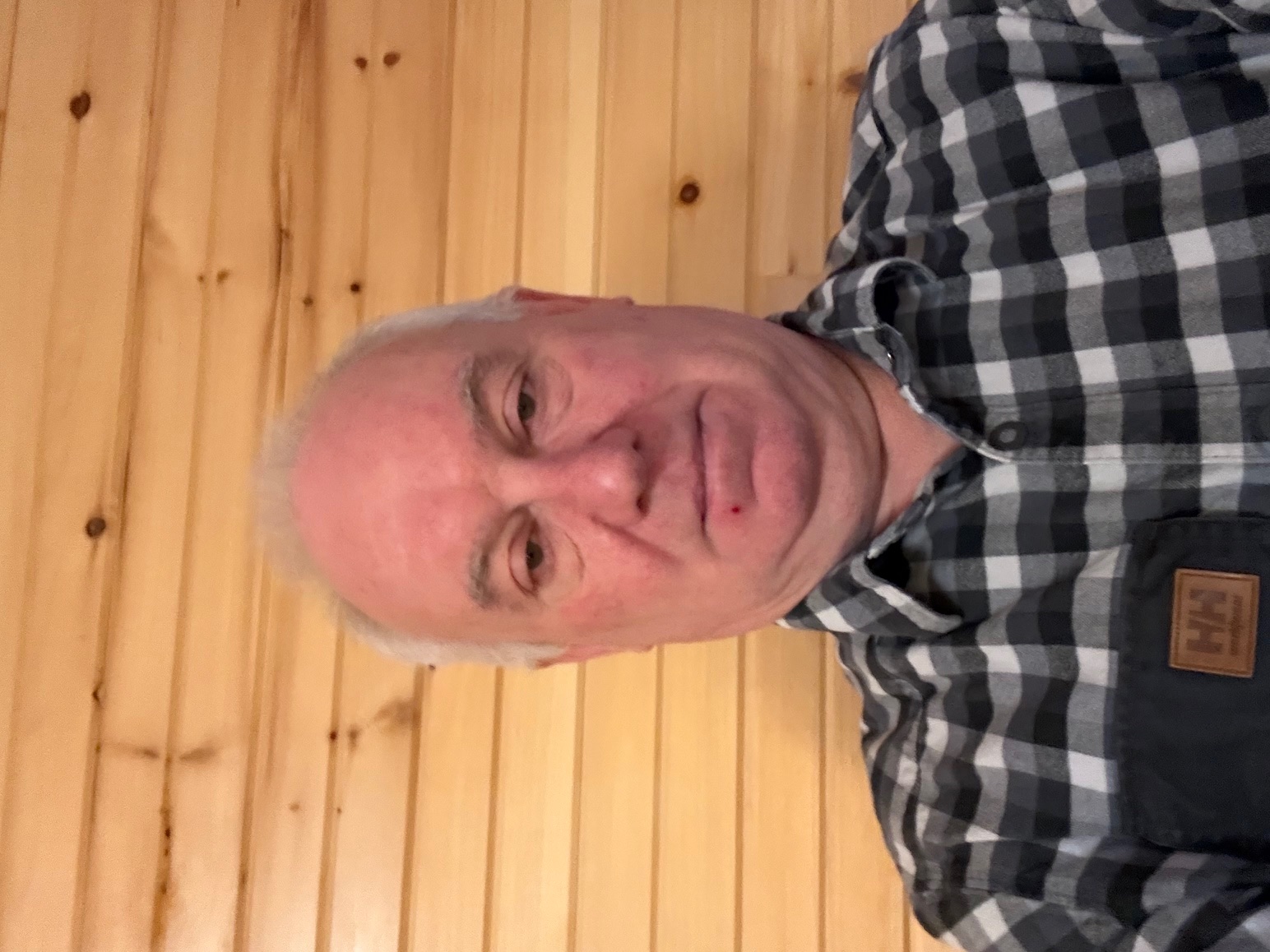
Robert (Bob) Macleod graduated from Memorial University with a Master's in Earth Sciences, focusing on hydrogeology. Over the past 40 years he has worked as a consultant, managing and carrying out various hydrogeological and environmental projects responsible for project planning and execution, schedule and cost control, resourcing, and contractor management. Bob enjoys working on large, multi-disciplinary projects where he can collaborate with teams in other practice areas. Throughout his career, he has worked across various industries, including oil & gas, mining, and the commercial sectors. He has experience with the assessment of groundwater resource potential for community water supplies and with the design and construction of individual wells or well fields for municipal and industrial applications. Bob has also led hydrogeology baseline assessments and feasibility studies for various large scale mining projects.
We always want to improve the quality of our courses. Please select any reasons why you feel this course is inadequate (check all that apply).
Thanks for the feedback.
Your input helps us improve EPIC's training programs.
We couldn't record that feedback.
This course's ID doesn't match anything in our records. Please refresh the page and try again, or contact registrations@epictraining.ca.